

Exploring Italy's UNESCO World Heritage Sites
Italy proudly holds the distinction of having the highest number of UNESCO World Heritage Sites globally, with a total of 61. These sites are scattered throughout the country, offering a glimpse into Italy's rich cultural and historical tapestry. Each site is recognized for its outstanding universal value, showcasing the diverse heritage that Italy has preserved over the centuries.
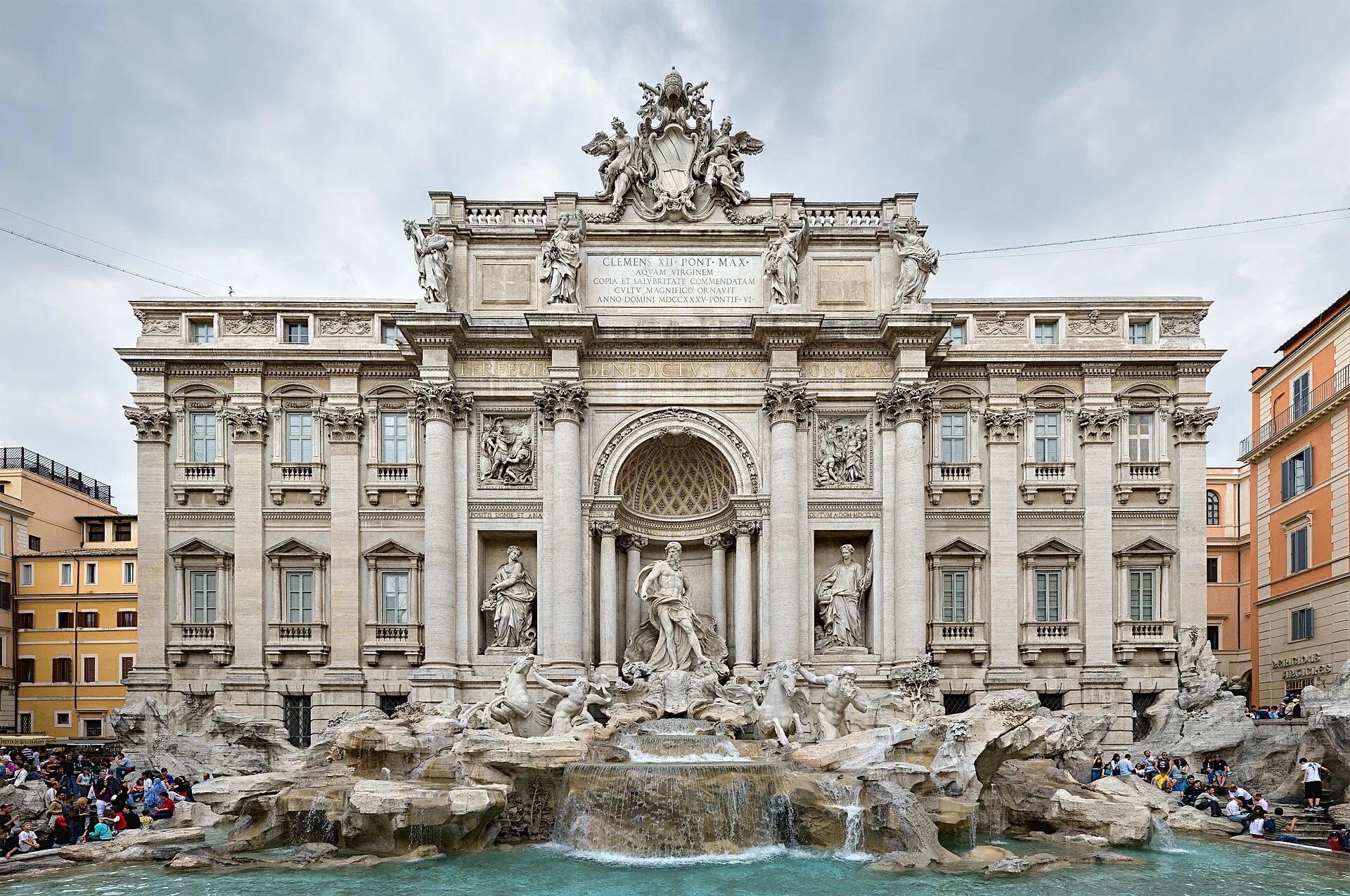
Rome, the capital city, is a treasure trove of historical landmarks and is a major tourist destination. These landmarks not only highlight the grandeur of ancient Roman architecture but also the city’s pivotal role in the history of Christianity.
In the south, Naples offers the historic center and the nearby archaeological sites of Pompeii and Herculaneum. These cities, alongside the rest of Italy, provide a rich tapestry of history and culture, making Italy a remarkable destination for those interested in exploring UNESCO World Heritage Sites.
Top Historical Sites to Visit in Italy
Italy is home to some of the most significant historical sites, each offering a glimpse into the country's ancient past. Among these, the Roman ruins of Pompeii and Herculaneum stand out as remarkable testaments to history. Located just south of Naples, these sites were preserved by the eruption of Mt. Vesuvius. Visitors can explore the remarkably well-preserved streets, homes, and public buildings that provide a unique insight into Roman life.
In Sicily, the Roman theatre in Taormina is another must-visit historical site. This ancient theatre not only showcases the architectural prowess of the Romans but also provides striking views of the nearby Mt. Etna. The theatre is still used today for performances, allowing visitors to experience its historical ambiance in a modern context.
Further north, the Roman amphitheatre in Verona is a significant landmark that draws history enthusiasts from around the world. Known as the Arena di Verona, this ancient structure is one of the best-preserved Roman amphitheatres and continues to host opera performances and concerts. Its impressive size and state of preservation make it an essential stop for anyone interested in Roman history and architecture.
Italy's Beautiful Coastal and Island Destinations
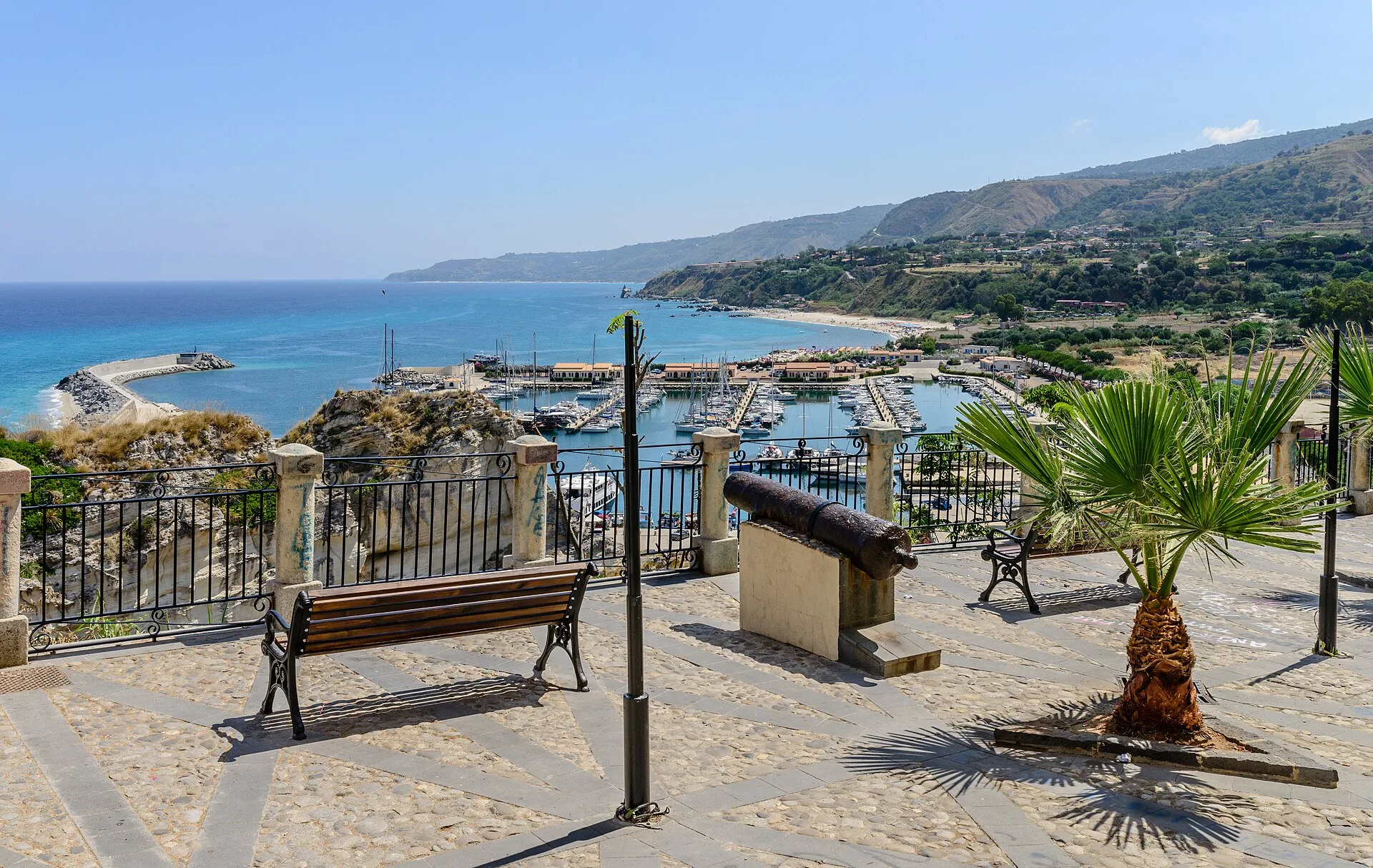
Italy's coastline along the Mediterranean Sea is a prime destination for those seeking seaside tourism. The country's extensive shoreline offers a myriad of opportunities to enjoy the sun, sea, and sand. Visitors can explore the scenic beauty of Italy's coastal regions, which are renowned for their picturesque views and inviting beaches.
The Italian peninsula, reaching into the Mediterranean Sea, is home to nearly 800 islands, with Sicily and Sardinia being the most notable. These islands offer unique landscapes and cultural experiences, making them ideal for travelers looking to combine relaxation with exploration. Sicily, the largest island in the Mediterranean, is famous for its rich history and striking coastlines, while Sardinia is celebrated for its pristine beaches and rugged interior.
Italy's diverse landscapes, which include mountains, hills, and coastal areas, provide an array of sightseeing opportunities. From the dramatic cliffs of the Amalfi Coast to the serene beaches of the Italian Riviera, visitors can enjoy a variety of natural settings. Each destination offers its own blend of natural beauty and cultural attractions, ensuring a memorable seaside experience.
Navigating Italian Cuisine and Dining Etiquette
Italian cuisine is celebrated globally for its rich flavors and diverse dishes. However, visitors should be mindful of tourist traps, which can be overpriced and offer a less authentic experience. To truly savor the essence of Italian food, it's advisable to seek out genuine dining establishments.
One common aspect of dining in Italy is the 'Coperto', a cover charge that is added to the bill in many restaurants. This fee typically ranges from €1 to €3 per person and is intended to cover the cost of bread and table settings. It's important to note that this charge is standard practice, but it's always wise to check the menu or inquire about it before dining, as practices can vary.
To find authentic Italian restaurants, a good strategy is to ask locals for their recommendations. Locals often know the best spots that offer true Italian flavors and a genuine dining experience. Engaging with residents can lead to discovering hidden culinary treasures that are not only delicious but also reasonably priced.
Charming Villages and Local Culture in Italy
Italy is home to a remarkable collection of picturesque villages, with 361 of them recognized as 'The Most Beautiful Villages of Italy' as of November 2023. These villages are celebrated for their unique blend of history, art, and architecture. The association 'I Borghi più belli d'Italia' plays a significant role in promoting these small, historical, and artistic communities, ensuring they receive the attention they deserve.
Exploring these villages offers a glimpse into Italy's diverse regional cultures and dialects, which are integral to the country's rich cultural heritage. Each village has its own distinct character, shaped by local traditions and customs that have been preserved over centuries. Visitors can experience the authentic lifestyle of these communities, from traditional festivals to regional cuisine, providing a deeper understanding of Italy's cultural tapestry.
Whether wandering through cobblestone streets or admiring centuries-old architecture, these villages offer a unique opportunity to immerse oneself in the local culture and history that define Italy's charm. Check the official site of 'I Borghi più belli d'Italia' for the latest information and recommendations.
Travel Tips for Visiting Italy
Italy shares its land borders with France, Switzerland, Austria, and Slovenia, making it accessible from various neighboring countries. Travelers can plan to enter Italy by road or rail from these nations, enjoying scenic routes along the way.

When it comes to attire, Italians are known for their stylish dress sense. Visitors should be mindful of local customs by dressing smartly, especially in urban areas. Casual clothing such as flip-flops is generally reserved for the beach, and wearing them elsewhere might be considered inappropriate. Embracing the local dress code can enhance your travel experience and help you blend in with the locals.
Italy's rich history and diverse landscapes make it a top travel destination. From exploring UNESCO sites to savoring authentic cuisine, Italy offers a wealth of experiences for every traveler.